
Postpartum & caregiver careFor: Baby, Toddler, Preschooler, School-age 4 min
For the tired parent: you matter too
Small, realistic ways to refill your tank when caregiving feels like too much.
The short version
You matter alongside the people you care for. You do not have to finish everything before you deserve rest and support.
Start here: the basics
What it is
Caregiver burnout is the deep physical and emotional exhaustion that can build when you are caring for others with too little rest, help or time for yourself.
Why it matters
Feeling worn out does not mean you are failing or love your child less. Children do best with caregivers who are supported too. Noticing burnout early lets you make small changes and reach out before you reach empty.
What's happening at this age
Burnout can happen at any stage — in the newborn haze, the busy toddler years or while juggling school, work and family. Signs include irritability, feeling numb or detached, trouble sleeping even when you can, and losing joy in things you used to enjoy.
Words you might hear
- Respite:
- A planned break while someone else safely cares for your child.
Signs you're running on empty
If caregiving feels heavy right now, that does not mean you love your family any less. You deserve to be heard and helped, not handed a longer list of things to do. These signs can be a reason to reach out.
- Snapping more than usual or feeling numb.
- Dreading the day before it starts.
- Trouble sleeping even when you can.
Five-minute resets
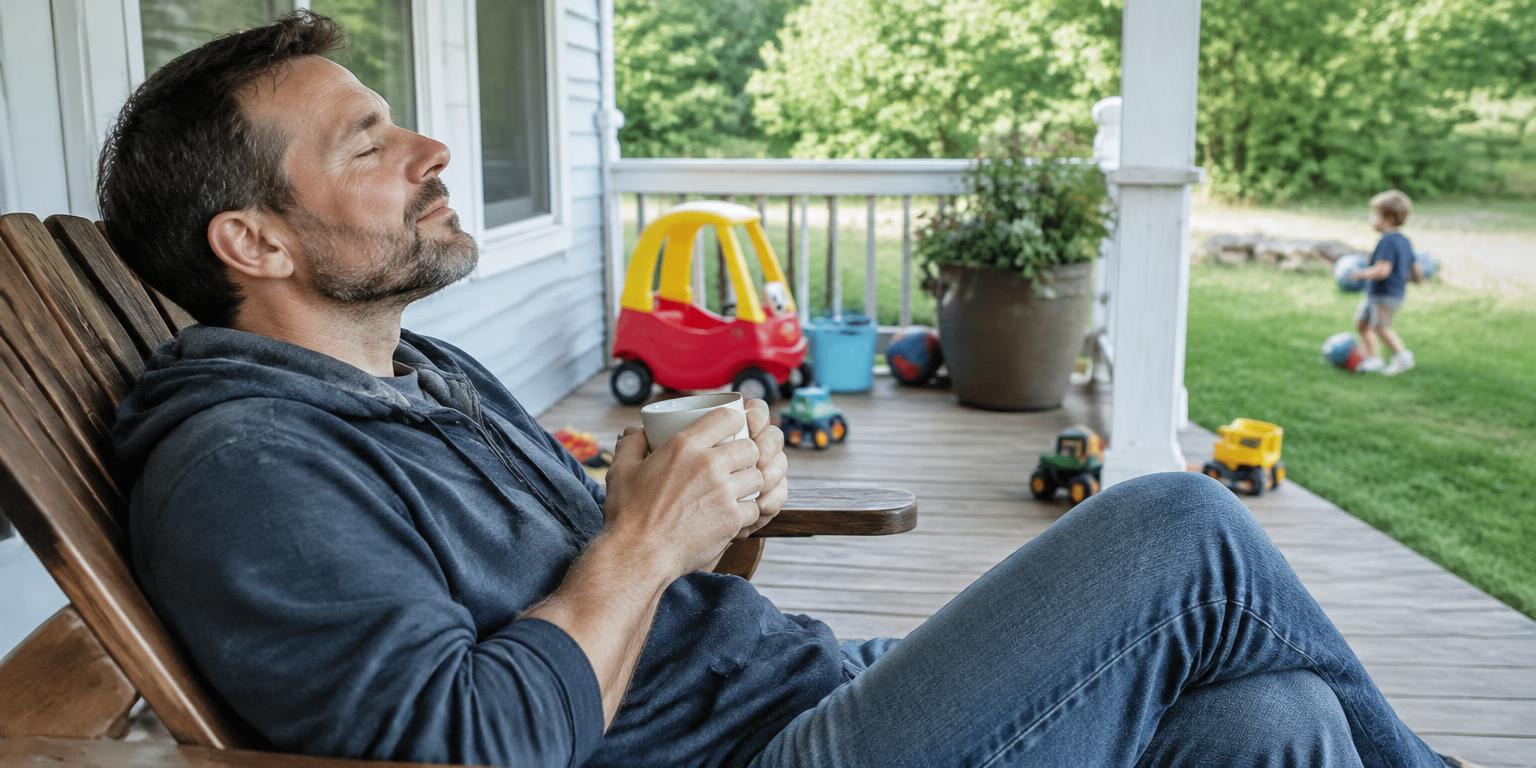
- If the children are safely supervised, try a quiet pause or a few comfortable breaths. Choose what feels helpful rather than another task to complete.
- Put on music and dance with your kids.
- Text a friend one honest sentence.
- A simpler, age-appropriate meal is okay today. Making things manageable is not a failure.
- If a trusted adult is available, ask for a specific short break. If not, ask your care team about local support; needing help is understandable.
If you feel overwhelmed with a crying baby
It's OK to put your baby down safely in their crib, close the door and take a few minutes to calm down. Never shake a baby.
Example play-through: repairing after you snap
After a long day, you shout when your five-year-old spills water. They go quiet, and you feel ashamed and still overwhelmed.
- Make the immediate situation safe. If another capable adult is available, ask them to supervise while you take a short pause. Do not leave children without age-appropriate safe supervision.
- When you can speak more gently, repair: ‘I shouted. That was not okay, and it was not your job to calm me down. I am sorry.’ Do not ask your child to comfort you or excuse the shouting.
- Handle the practical problem together: ‘Water spilled. I will get a cloth; you can help if you want.’ Keep cleanup separate from a punishment for your own frustration.
- Ask an adult for specific support: ‘Could you take over dinner or bedtime tonight?’ If no one is available, simplify a nonessential task and contact your care team or a support service about ongoing help.
If it is still hard: One repair does not resolve exhaustion, and repeated loss of control deserves support. With a crying baby, place them on their back in an empty safe crib before a brief calming break; never shake a baby. Seek urgent help if you cannot keep yourself or anyone else safe.
Example: “Let me know if you need anything” is not enough
If someone offers help, ask for a concrete task you would actually welcome: “Could you bring dinner?” or “Can you sit with the children while I shower?” If you are parenting alone or do not have trusted nearby help, ask about community services, parent groups or care-team support. Lowering the household standard may make room to breathe, but it is not a substitute for medical care, safe housing or help with ongoing stress. You deserve support without first proving that you have exhausted every self-care idea.
Make a safety plan for the hardest moments
With an infant, place them on their back in a safe, empty crib if you need a brief break and return after calming; never shake them. For older children, keep supervision appropriate while arranging another adult or a safe pause. If you fear you may hurt yourself or a child, obtain urgent help instead of waiting for the feeling to pass alone. Persistent low mood, anxiety, exhaustion or hopelessness deserves clinical attention; you do not have to wait several weeks when the impact is already severe.
Try it with play
Plan these with Pip Plus
Parent Care
Micro-Moment of Mindfulness Tea

Parent Care
Mini-Massage Moment

Parent Care
Nursery Reset: Box Breathing for Parents

Parent Care
Gentle C-Section Scar Massage

Parent Care
New-Parent Sleep Hygiene Basics

Parent Care