
Pip Playbook ideas
Fine Motor Skills Activities for Kids
Pinch, thread, snip, and squeeze — the little muscles behind handwriting.
505 activities in Pip Playbook match this idea
Fine motor skills — the small hand movements that let a child hold a pencil, button a coat, and turn a page — develop through play, not through drills. These activities look like fun, but each one is quietly stretching pincer grasp, hand strength, or bilateral coordination. Perfect for the calm corner or a rainy morning.
Why it works
- •Foundational for handwriting, self-feeding, and dressing.
- •Builds hand-eye coordination that pays off in sports and instruments.
- •Grows patience — most fine-motor tasks reward slow, focused effort.
How to use these ideas
- •Match the tool to the age: chubby crayons at 2, standard scissors at 4.
- •Set up 'invitations to play' — the child sees the setup and self-starts.
- •Skip the worksheet. Real pinching, tearing, and threading beat paper practice.
Try one of these activities
Sorted by age Arts & Crafts
Rainbow Paper Plate Fish
25 min Ages 3–7
Indoor
Sensory PlayRainbow Rice Sensory Bin
30 min Ages 1–4
Indoor
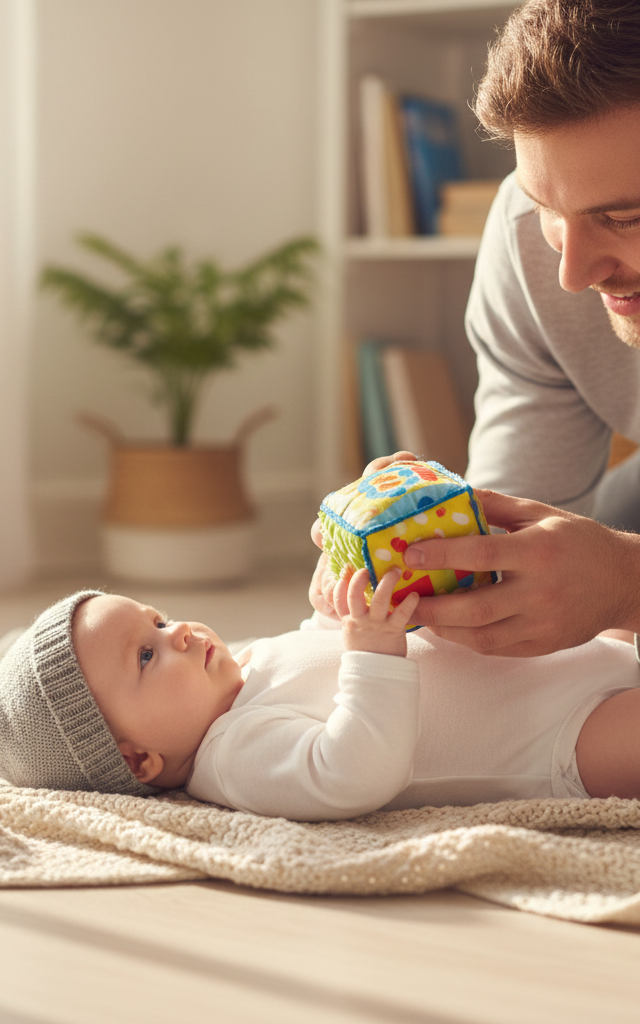 Baby (0–12 months)
Softie Squeeze & Reach
5 min Ages 0–3 months
Ready right nowIndoor
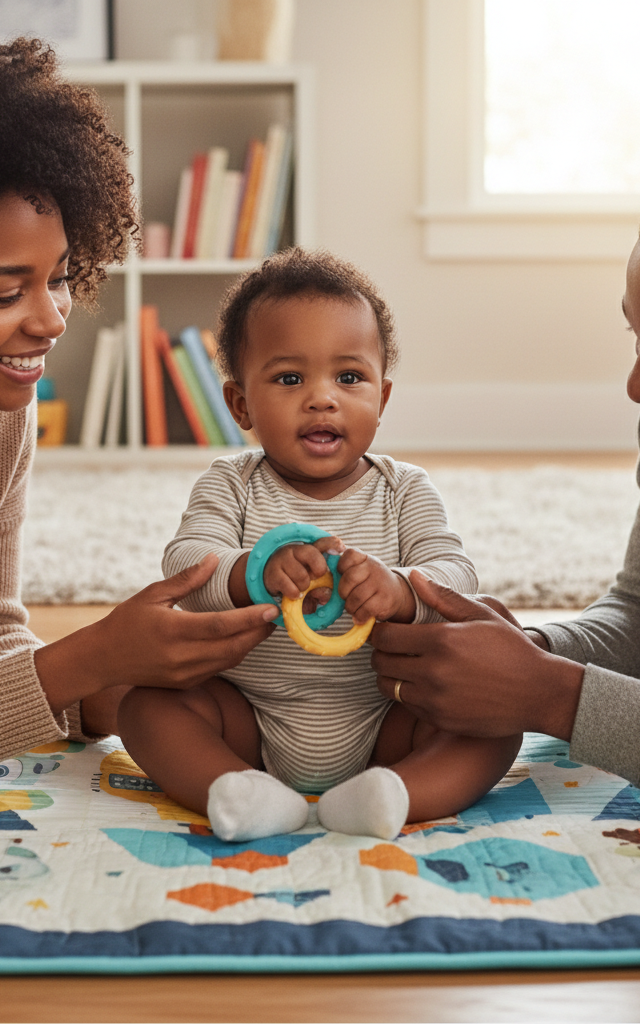 Baby (0–12 months)
Reach & Grasp Ring Transfer
10 min Ages 4–6 months
Grab 1–2 thingsIndoor
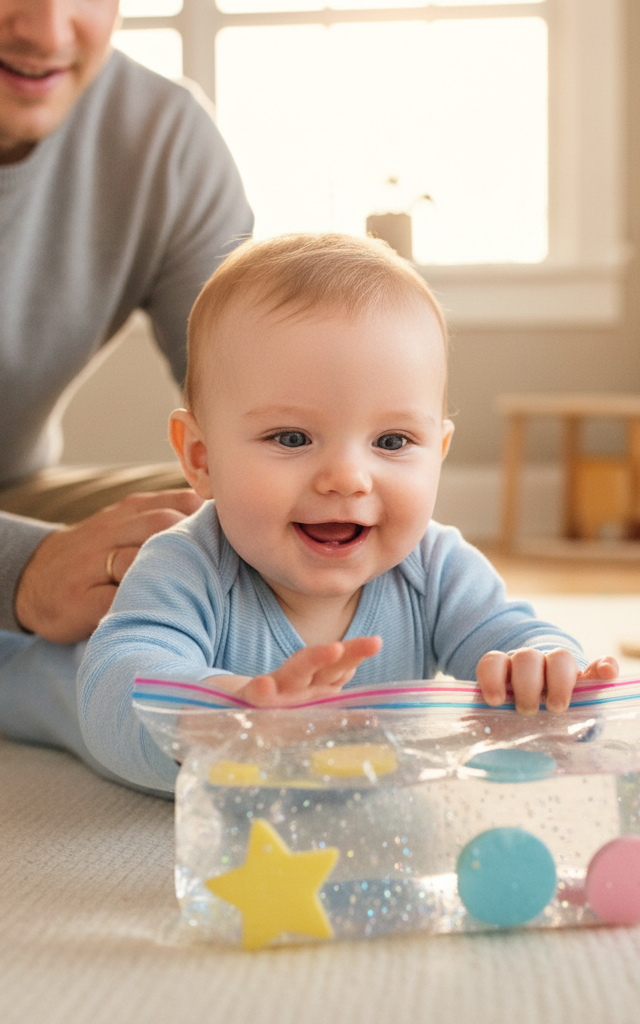 Baby (0–12 months)
Squishy Sensory Wonders
10 min Ages 4–6 months
Ready right nowIndoor
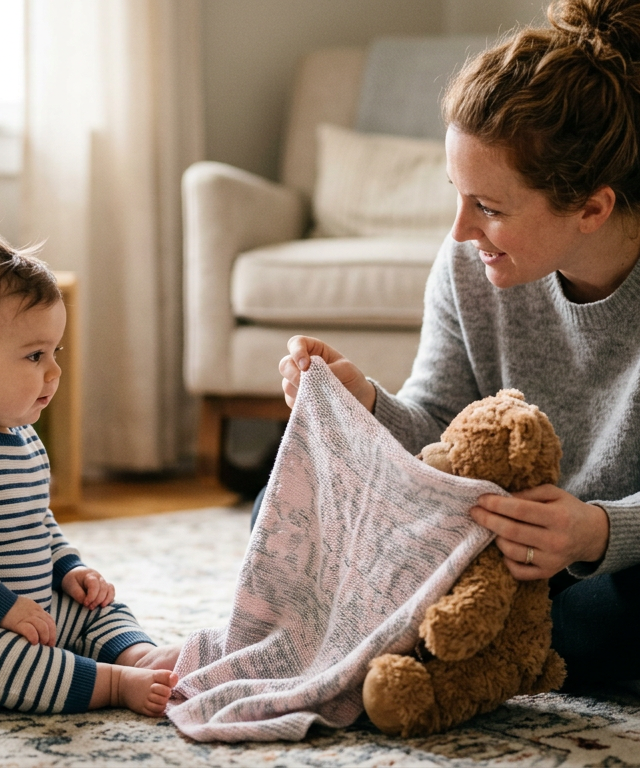 Baby (0–12 months)
Month 7: Peekaboo & Object Permanence
10 min Ages 6–7 months
Ready right nowIndoor
 Baby (0–12 months)
My First Spoon: A Puree Adventure!
15 min Ages 6–8 months
Grab 1–2 thingsIndoor
 Baby (0–12 months)
Sip and See: Building Open-Cup Skills
10 min Ages 6–9 months
Ready right nowIndoor
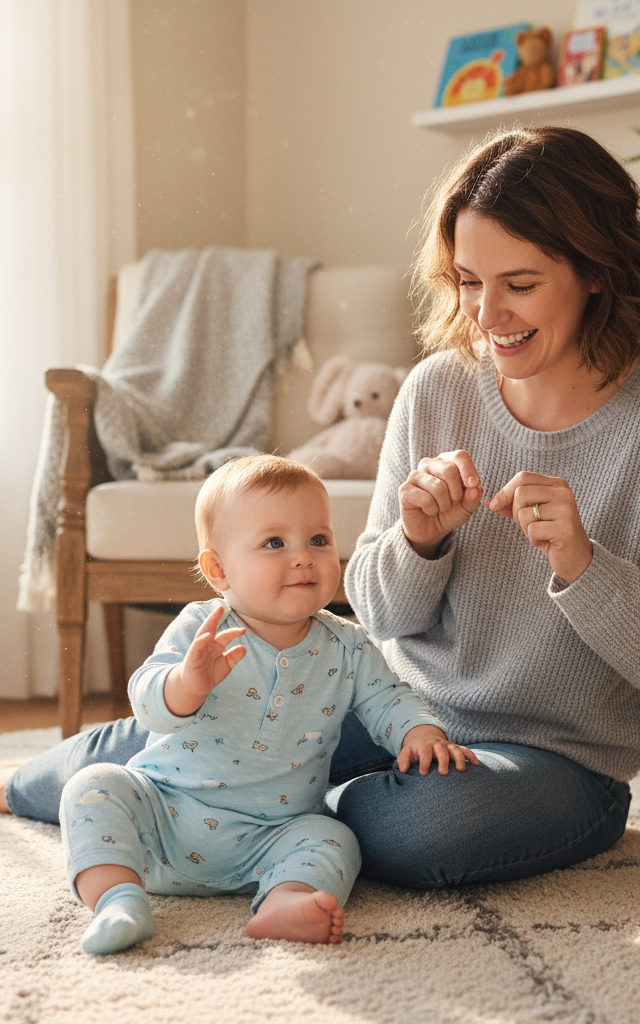 Baby (0–12 months)
My First Signs: Milk, More, All Done!
10 min Ages 6–12 months
Grab 1–2 thingsIndoor
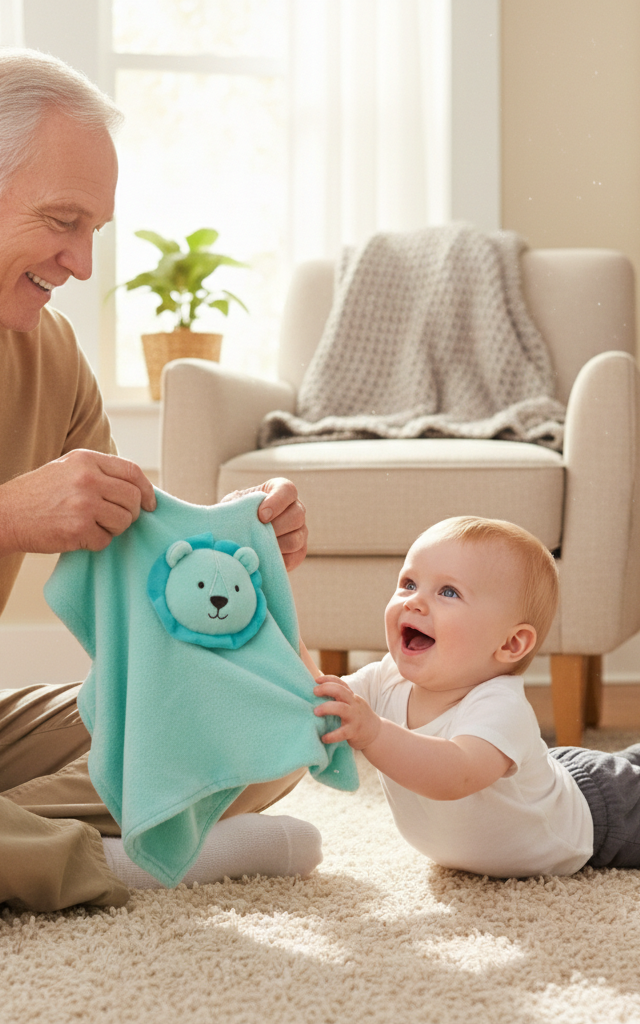 Baby (0–12 months)
My First Comfort Buddy
10 min Ages 6–12 months
Grab 1–2 thingsIndoor
 Baby (0–12 months)
Tiny Hands, Big Splashes: A Germ-Busting Song!
10 min Ages 6–12 months
Ready right nowIndoor
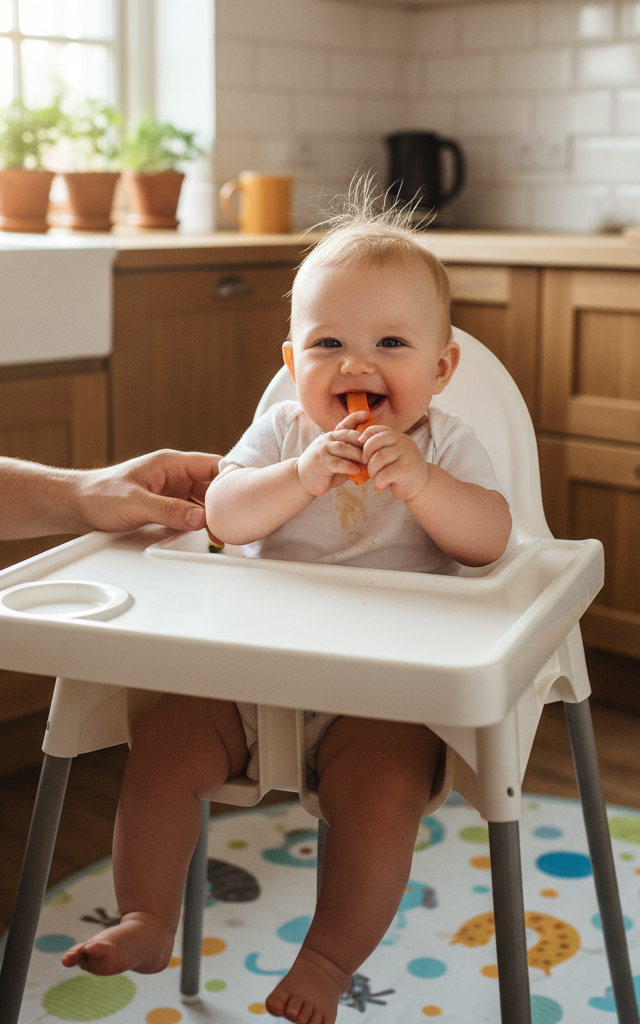 Baby (0–12 months)
Soft Sticks Exploration
15 min Ages 6–12 months
Ready right nowIndoor
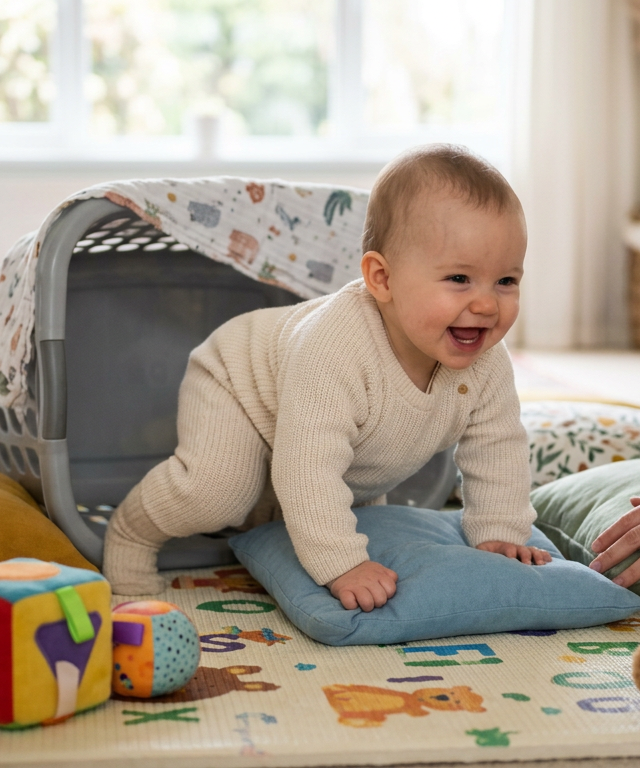 Baby (0–12 months)
Month 8: Safe Crawling Obstacle Course
10 min Ages 7–8 months
Ready right nowIndoor
 Baby (0–12 months)
My Living Room Adventure
10 min Ages 7–9 months
Grab 1–2 thingsIndoor
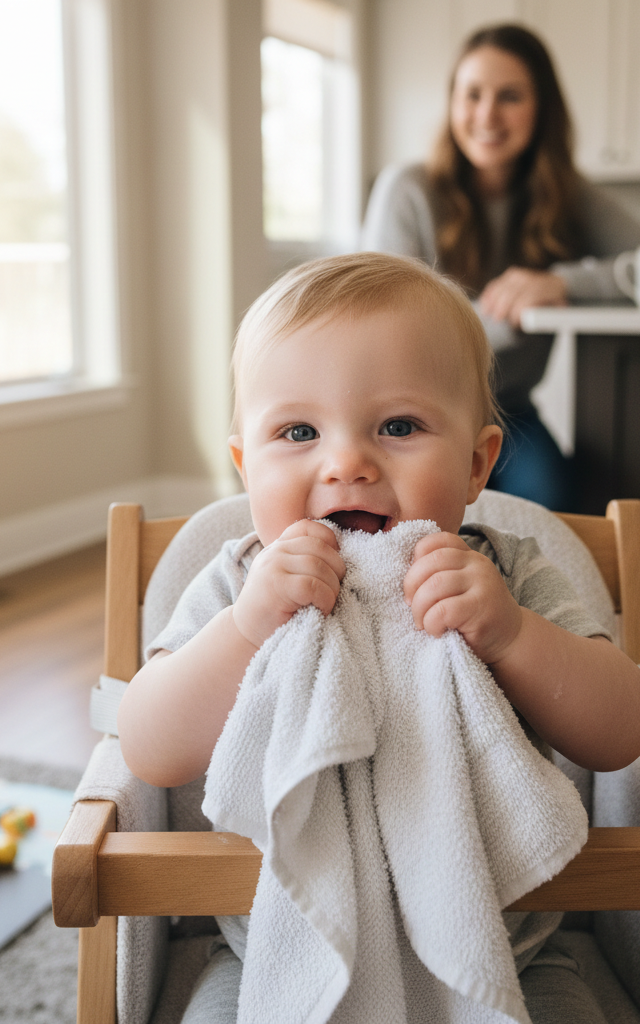 Baby (0–12 months)
Chilly Chews Discovery
10 min Ages 7–9 months
Ready right nowIndoor
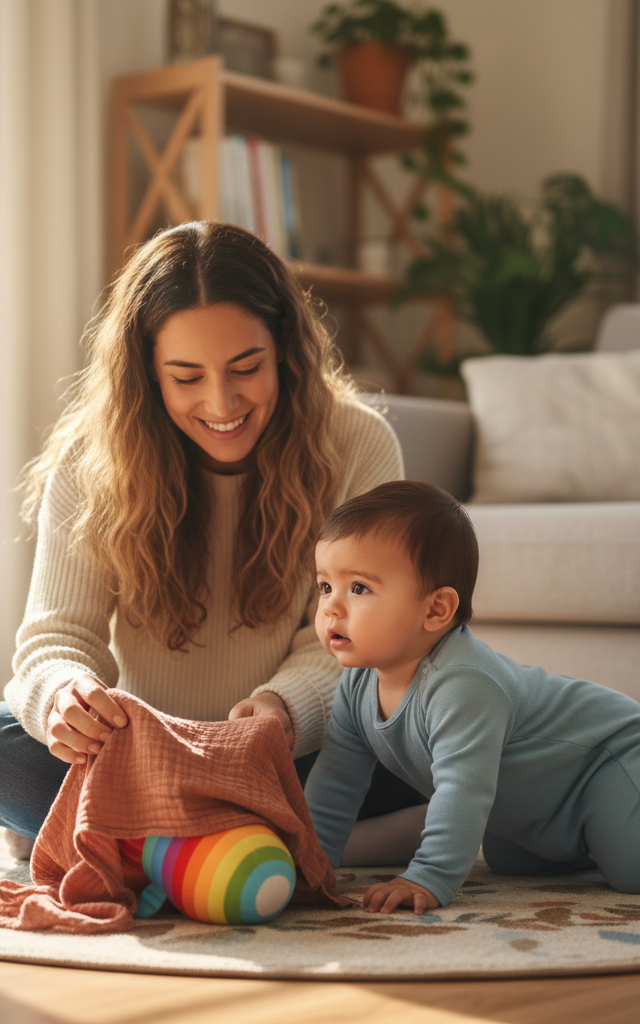 Baby (0–12 months)
Where'd It Go? Object Permanence Play
10 min Ages 7–9 months
Ready right nowIndoor
 Baby (0–12 months)
Container Drop-and-Dump Basket
15 min Ages 7–9 months
Ready right nowIndoor
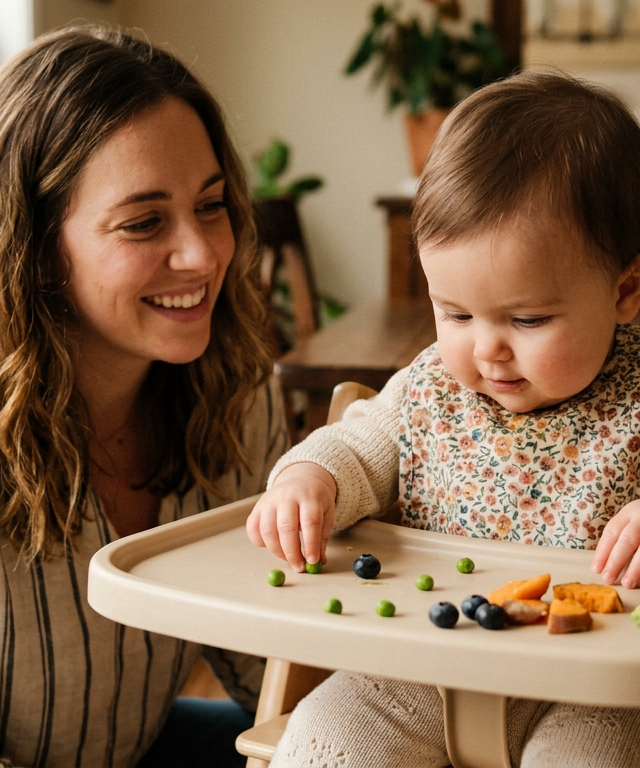 Baby (0–12 months)
Month 9: Pincer Grasp Snack Tray
10 min Ages 8–9 months
Ready right nowIndoor
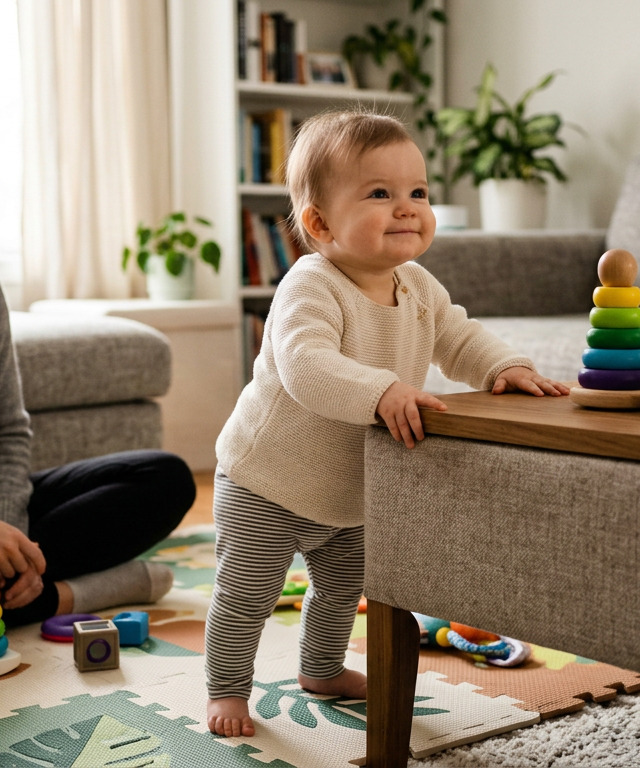 Baby (0–12 months)
Month 10: Pull-to-Stand Cruising Setup
10 min Ages 9–10 months
Ready right nowIndoor
 Baby (0–12 months)
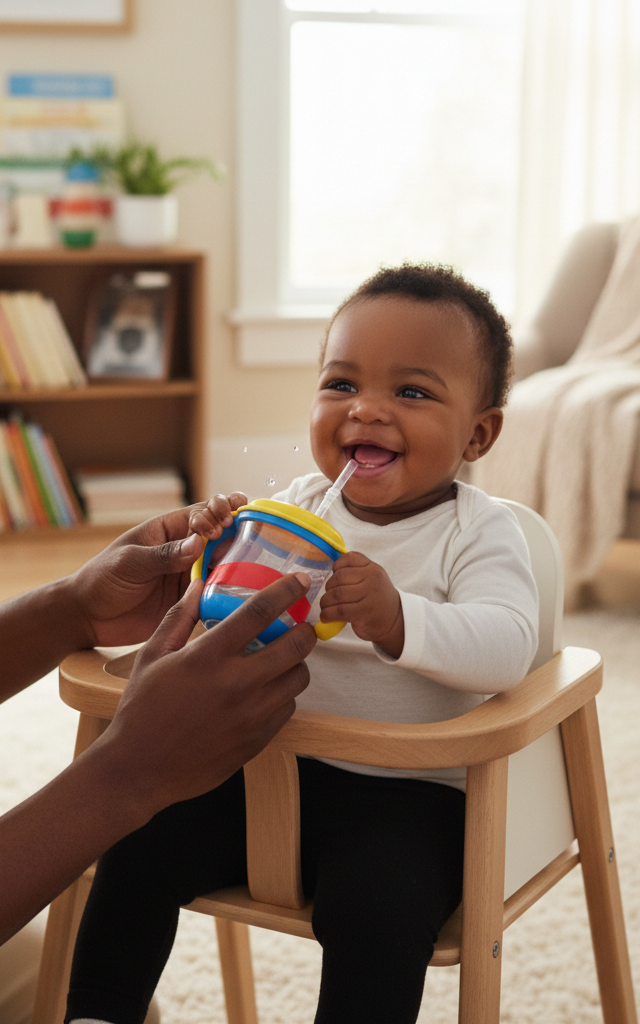
Sippy Straw Sips
10 min Ages 9–12 months
Ready right nowIndoor
 Baby (0–12 months)
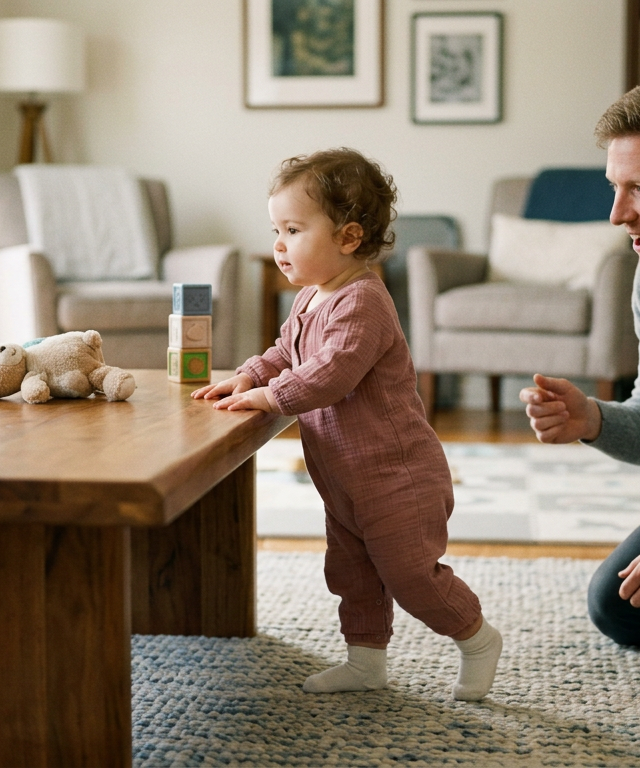
Month 11: First-Words Narration Walk
10 min Ages 10–11 months
Ready right nowIndoor
 Baby (0–12 months)
Hello, Goodbye Doorway Waves
5 min Ages 10–12 months
Grab 1–2 thingsIndoor
 Baby (0–12 months)
Nesting Cup Hide-and-Seek
15 min Ages 10–12 months
Ready right nowIndoor
 Baby (0–12 months)
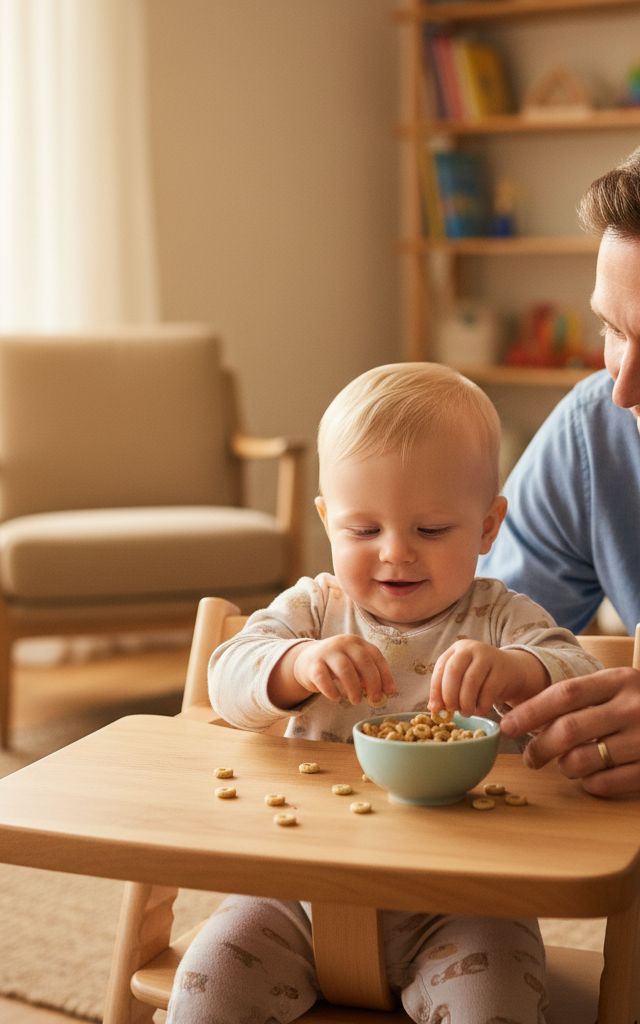
Cheerio Challenge Pick-Up Board
10 min Ages 10–12 months
Ready right nowIndoor
Pip's tips
- •Tongs and tweezers are the two secret weapons for pincer development.
- •Playdough should be soft enough to squeeze but firm enough to poke — remake weekly.
- •Left-handed kids need left-handed scissors. It's worth the $6.
Frequently asked
What are fine motor skills examples?
Pincer grasp, holding a crayon, using scissors, threading beads, buttoning, zipping, using a fork, and turning pages — all fine motor.